Regenerativa en Comunidades Hispanas EE.UU. 2026

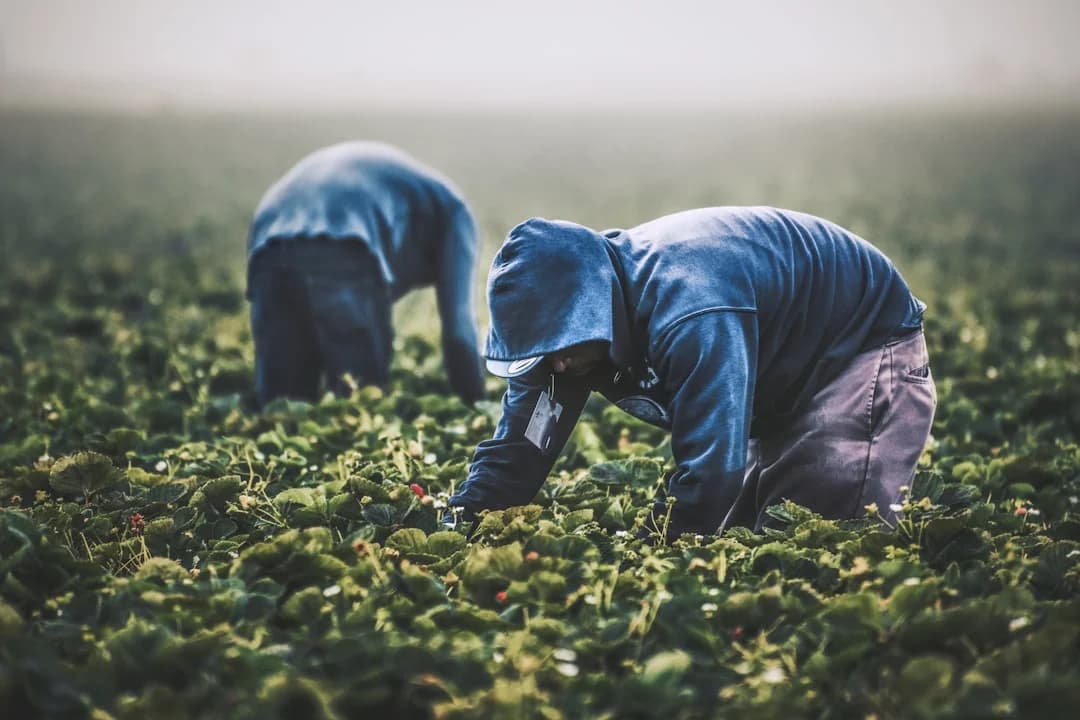
Photo by Tim Mossholder on Unsplash
The Natural Resources Conservation Service (NRCS) of the U.S. Department of Agriculture announced in late 2025 a bold pivot for farm conservation: a national Regenerative Agriculture Pilot Program designed to accelerate the adoption of soil-health practices, boost water quality, and improve long-term farm viability. With a formal batching deadline set for January 15, 2026, the program is positioned to channel substantial funding through existing Conservation programs, notably EQIP and CSP, toward regenerative practices. For many readers and farms across the United States, this news arrives at a critical moment: data from the 2022 Census of Agriculture shows a meaningful presence of Hispanic producers—112,379 producers nationwide—whose access to capital, technical assistance, and market opportunities has historically trailed that of non-Hispanic operators. As policymakers and industry observers parse the details, the message is clear: 2026 could mark a turning point for agriculture that centers soil health, climate resilience, and inclusive access to conservation programs. The announcement underscores a broader national effort to advance agricultura regenerativa para comunidades hispanas en Estados Unidos 2026, linking soil stewardship with small- and mid-size farm viability and community resilience.
The program’s emphasis on “Farmer First” support and outcomes-based measurements aims to tailor conservation incentives to the realities of diverse farming operations, including those led by Hispanic producers and other socially disadvantaged groups. NRCS officials have repeatedly described the pilot program as a vehicle to lower production costs, reduce vulnerability to drought and extreme weather, and create scalable pathways for regenerative transitions. This development comes amid a broader policy backdrop: the federal budget for 2026 contains substantial investments in conservation and soil-health initiatives, signaling a sustained federal interest in regenerative agriculture as a climate, economic, and rural-communities strategy. As the year unfolds, readers will want to track how the Regenerative Pilot Program interacts with existing programs, state-by-state batching results, and the real-world experiences of Hispanic farming families pursuing regenerative transitions. (nrcs.usda.gov)
What Happened
Announcement and scope
In December 2025, the NRCS formally announced the Regenerative Agriculture Pilot Program as part of its evolving conservation portfolio. The program is designed to be farmer-first and outcomes-based, with an explicit aim to expand regenerative practices—such as cover cropping, crop rotation, reduced tillage, and soil carbon amendments—across diverse farm types and operation scales. The pilot is intended to complement existing conservation efforts rather than replace them, offering targeted assistance through two core NRCS programs, EQIP (Environmental Quality Incentives Program) and CSP (Conservation Stewardship Program). This structure is meant to streamline support for farms at all stages of adoption, from those just starting to those with more experience implementing regenerative methods. (nrcs.usda.gov)
Funding and mechanisms
The program is anchored by a substantial funding envelope and policy mechanics designed to unlock regenerative investments at scale. U.S. Department of Agriculture documents and NRCS FAQs indicate that the Regenerative Pilot Program is supported by a total of approximately $700 million in FY2026, with a split around $400 million channeled through EQIP and about $300 million through CSP to cover the incremental costs of implementing regenerative practices on participating farms. The approach emphasizes a flexible, outcomes-based framework that allows farmers to combine core regenerative practices with supplementary amendments or soil-improving measures as needed to meet the objectives of their conservation plans. This financial architecture is intended to accelerate transitions and reduce the cost barriers that often impede adoption for smaller operators. The details are outlined in NRCS program pages and the associated FAQs. (nrcs.usda.gov)
Application window and deadlines
A central feature of the rollout is the national batching deadline established for January 15, 2026. This deadline applies to the first funding round of major NRCS conservation programs, including the Regenerative Pilot Program. The batching process is designed to ensure timely consideration and funding sequencing across states, with NRCS Service Centers guiding applicants through the ranking processes and state-level panels. The deadline has been repeatedly highlighted in NRCS communications and industry briefings as the key cutoff for initial eligibility determinations for the 2026 funding cycle. For communities tracking this timeline, the January 15 deadline is a pivotal milestone that will shape early participation and project selection in the pilot. (nrcs.usda.gov)
Context for Hispanic communities and the broader farm landscape
The focus on regenerative practices aligns with a growing national emphasis on soil health, water quality, and climate resilience—areas where Hispanic producers have a clearly defined stake. The 2022 Census of Agriculture shows a substantial base of Hispanic-operated farms (roughly 112,379), distributed across states with varying asset bases and access to capital. This demographic footprint makes the Regenerative Pilot Program particularly consequential for Hispanic communities seeking to stabilize income, diversify markets, and bolster long-term farm viability through soil health investments. In parallel, ERS research highlights that socially disadvantaged and minority farmers—including Hispanic producers—face distinct financial and program-access challenges, underscoring the importance of program design that reduces barriers to entry, provides language- and culturally competent support, and aligns funding mechanisms with the realities of smaller operations. (data.nass.usda.gov)
Immediate administrative steps
NRCS has published guidance encouraging interested farmers and ranchers to engage with their local NRCS Service Center to explore eligibility, prepare a conservation plan, and map regenerative targets within EQIP, CSP, and the Regenerative Pilot framework. The aim is to facilitate a smooth onboarding process for farms at different lifecycle stages, including those that are beginning, limited-resource, or operated by socially disadvantaged producers. The intent is not only to deliver financial assistance but also to provide technical assistance, planning support, and ongoing evaluation to verify real-world outcomes. This approach mirrors ongoing federal priorities to ensure that minority and beginning farmers access conservation programs and regenerative-tools that support sustainable yields and community resilience. (nrcs.usda.gov)
Why It Matters
Direct benefits for Hispanic farmers and communities

Photo by Tim Mossholder on Unsplash
The Regenerative Pilot Program arrives at a moment when Hispanic producers constitute a meaningful portion of the U.S. farming population. In 2022, Hispanic producers accounted for about 112,379 farms, representing a substantial share of agricultural activity and a significant opportunity for regenerative service delivery. The program’s farmer-first design and its emphasis on practical outcomes—soil health improvements, water-use efficiency, and cost reductions—are expected to yield tangible benefits for this group. When combined with the broader policy emphasis on conservation and climate resilience, the Regenerative Pilot Program has the potential to level the playing field by expanding access to cost-sharing, technical support, and culturally appropriate outreach. Analysts caution that efficacy will depend on implementation details at the state and local levels, but the alignment with minority-farm needs is a notable step forward in the 2026 policy environment. (data.nass.usda.gov)
Broader environmental and economic impacts
Regenerative agriculture emphasizes soil organic matter, cover crops, reduced tillage, and improved water-holding capacity, all of which contribute to greater resilience against drought, reduced erosion, and enhanced biodiversity on working lands. By accelerating the adoption of these practices, the program could yield downstream benefits for water quality, flood mitigation, and greenhouse gas fluxes—critical considerations for communities facing climate variability. In economic terms, the pilot’s scale and continuity may provide a more predictable investment signal for regenerative supply chains, potentially unlocking new markets for producers who can demonstrate soil-health outcomes and sustainable production methods. While quantifying benefits at scale remains a work in progress, early pilots and other program evaluations indicate measurable improvements in soil organic carbon, yields stability, and input-use efficiency when regenerative practices are well implemented. (nrcs.usda.gov)
Equity, inclusion, and access to capital
ERS research underscores persistent disparities in access to programs and capital for socially disadvantaged producers, including Hispanic operators. The 2024 Economic Information Bulletin and subsequent data show that women, minority, and limited-resource farmers often face higher barriers to credit, fewer off-farm incomes to cushion farm risk, and lower average production values. The Regenerative Pilot Program’s design—combining EQIP and CSP with targeted, farmer-first support—appears to address some of these barriers by providing a more navigable path to funding, technical assistance, and on-farm improvements. However, the true test will be the degree to which outreach, language access, and locally responsive outreach channels reach Hispanic and other underserved farmers, and whether ranking criteria and program rules can be applied equitably across diverse basins and farm types. (ers.usda.gov)
Potential challenges and considerations
Despite the promise, challenges loom. The sheer size of the funding envelope and the complexity of program rules raise concerns about administrative capacity at the state and local levels. Rural-urban divides, language barriers, and varying levels of farm size and credit availability could shape who gets funded in the initial phase. Additionally, the integration of soil-carbon amendments and other innovative practices into traditional farm operations requires careful monitoring to ensure environmental benefits translate into measurable economic gains for smallholders and family operations. Stakeholders emphasize the need for robust technical assistance, clear timelines, and transparent reporting to maintain trust and maximize outcomes for Hispanic communities as well as other historically underserved groups. (nrcs.usda.gov)
The broader policy and market context
The Regenerative Pilot Program sits within a broader U.S. government framework that prioritizes soil health, water quality, and climate resilience in farming. The 2026 USDA budget documents show sustained funding levels across conservation, agriculture research, and rural development programs, signaling a durable policy trajectory rather than a one-off impulse. The integration of the Regenerative Pilot with existing programs like EQIP and CSP means that participating farms could stack incentives, with potential cross-benefits for nutrient management, cover cropping, and erosion control. For Hispanic communities and other historically underserved groups, this policy substrate offers a pathway to more stable production and new market opportunities that reward regenerative performance. (usda.gov)
What’s Next
2026 batching schedule and next steps
With the January 15, 2026 batching deadline established for the first funding round, the immediate weeks will be focused on state-level announcements, application intake, and the ranking processes that determine initial allocations. NRCS regional and state offices will likely publish additional guidance on local batching dates, eligibility criteria, and required documentation. Prospective applicants—especially Hispanic producers, beginning farmers, and other socially disadvantaged operators—should prepare conservation plans that articulate regenerative targets (cover crops, rotations, soil-amendment measures, and nutrient management strategies) and demonstrate readiness to implement with a clear timeline. The official NRCS pages reiterate the importance of early engagement with local Service Centers to ensure alignment with state ranking dates and program rules. (nrcs.usda.gov)
Expected milestones and what to watch for
Over the course of 2026, several milestones are anticipated:
- State-by-state announcements of ranking outcomes and initial funding awards for EQIP, CSP, and the Regenerative Pilot Program. These announcements will shed light on which farm types and regions are prioritized and how cross-program synergies unfold.
- Early case studies and measurement results from pilot participants illustrating soil health improvements, yield stability, and input-cost changes. While full program-wide evaluations will take longer, initial reporting is expected to highlight practical wins and learning curves.
- Expanded outreach that targets Hispanic communities with bilingual application assistance, workshops, and technical guidance, addressing historical barriers to program access recognized by ERS and other research bodies.
- Ongoing policy alignment with the broader climate and rural development agenda, including potential adjustments to program rules to increase accessibility and equity in funding allocations.
Experts emphasize that the effectiveness of the Regenerative Pilot Program will depend heavily on the design of outreach, the clarity of application requirements, and the degree to which NRCS staff can support producers through the entire lifecycle—from planning to implementation to verification of outcomes. The combination of a national batching deadline, a sizable funding envelope, and a farmer-first ethos creates a potentially transformative moment for regenerative farming in the United States, with significant implications for Hispanic farmers and rural communities that rely on agriculture as a cornerstone of local economies. (nrcs.usda.gov)
Longer-term outlook for 2026 and beyond
Looking beyond the initial funding year, observers expect the Regenerative Pilot Program to influence long-term adoption patterns and investment in regenerative infrastructure. If the program demonstrates durable soil-health gains, water-quality improvements, and economic benefits for small and mid-sized operations, it could catalyze broader private-sector engagement in regenerative supply chains and soil-health products. In the Hispanic farming context, the potential for expanded access to conservation incentives and related technical assistance could help close gaps in resource access and market participation, contributing to more resilient farm operations and stronger community outcomes. The intersection of public investment, equitable access, and measurable environmental returns will shape the policy discourse through 2026 and into subsequent farm policy cycles. (usda.gov)
Closing
As the United States formally rolls out the Regenerative Agriculture Pilot Program for FY2026, the attention turns to real-world outcomes: can a large, well-targeted funding mechanism unlock meaningful soil-health gains while expanding opportunity for Hispanic farmers and other Historically Underserved Groups? Early indicators point to a program designed with equity and impact in mind, anchored by a sizable financial commitment and a clear deadline that accelerates action. Readers should monitor NRCS announcements and state-level batching results in the weeks ahead to understand which farms gain access, what practices are prioritized, and how the program translates policy intent into stronger soils, higher resilience, and more inclusive growth across American agriculture.

Photo by Jan Kopřiva on Unsplash
The convergence of policy, science, and community needs makes 2026 a pivotal year for agricultores and ranchers who want to embrace regenerative methods without shouldering unsustainable risk. For ongoing coverage, stay tuned to NRCS updates, state conservation offices, and evidence-based analyses from USDA’s Economic Research Service and other independent researchers that illuminate how regenerative practices are reshaping farming in Hispanic communities and beyond. As programs unfold and data accumulate, the path toward scalable, equitable regenerative agriculture becomes clearer—and the communities that have historically faced barriers may find more direct routes to participate, benefit, and thrive in a regenerative era. (nrcs.usda.gov)